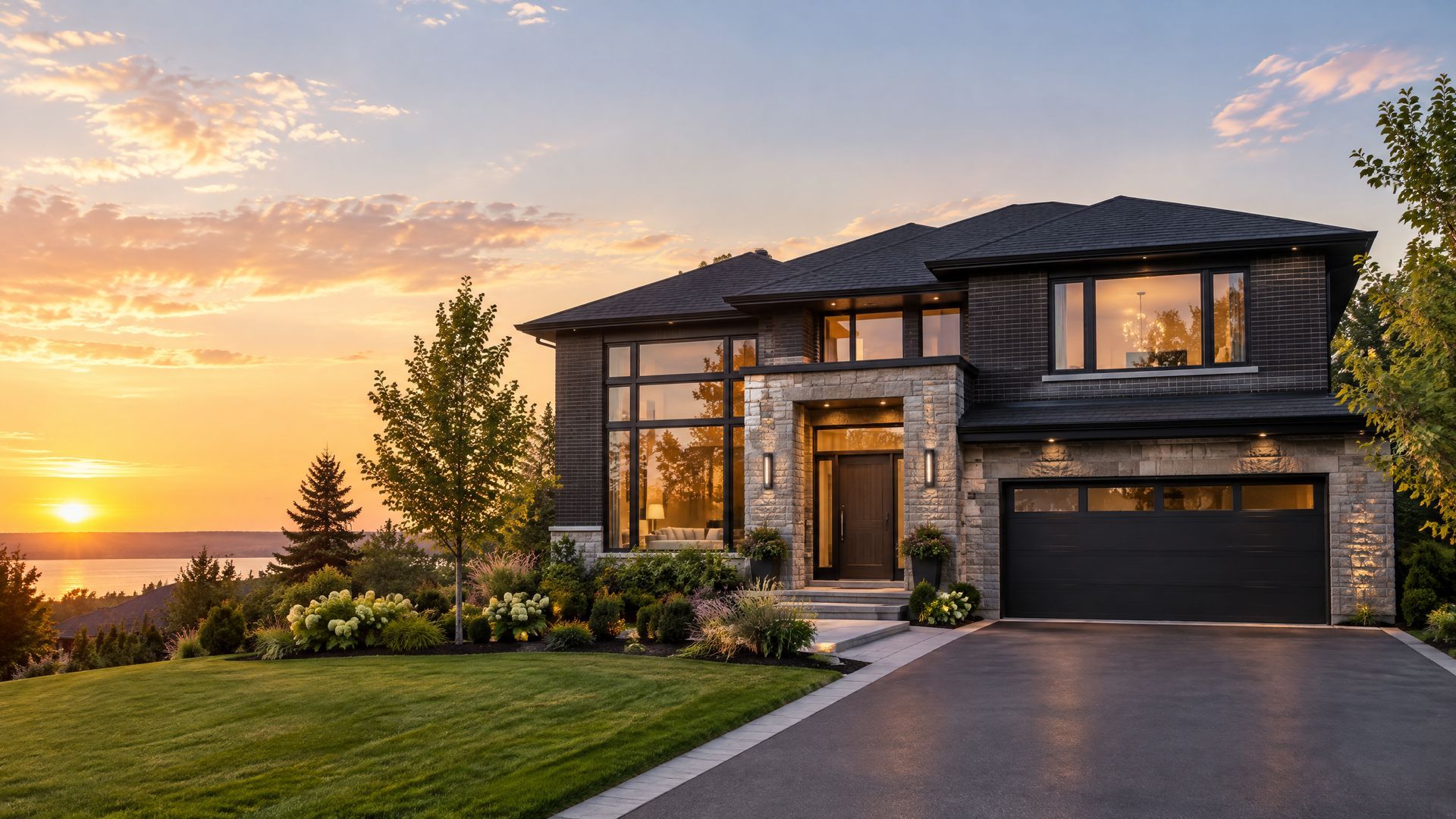

How to Get a Mortgage for a Second Property
Thinking About Buying a Second Property? Here’s What to Know
Buying a second property is an exciting milestone—but it’s also a big financial decision that deserves thoughtful planning.
Whether you're dreaming of a vacation retreat, building a rental portfolio, or looking to support a family member with a place to live, there are plenty of reasons to consider a second home. But before you jump in, it's important to understand the strategy and steps involved.
Start with “Why”
The best place to begin? Clarify your motivation.
Ask yourself:
- Why do I want to buy a second property?
- What role will it play in my life or finances?
- How does this fit into my long-term goals?
Whether your focus is lifestyle, income, or legacy planning, knowing your “why” will help you make smarter decisions from the start.
Talk to a Mortgage Expert Early
Once you’ve nailed down your goals, the next step is to sit down with an independent mortgage professional. Why?
Because buying a second property isn't quite the same as buying your first. Even if you’ve qualified before, financing a second home has unique considerations—especially when it comes to down payments, debt ratios, and how lenders assess risk.
How Much Do You Need for a Down Payment?
Here’s where the purpose of the property really matters:
- Owner-occupied or family use: You may qualify with as little as 5–10% down, depending on the property and lender.
- Income property: Expect to put down 20–35%, especially for short-term rentals or if it won’t be occupied by you or a family member.
Your down payment amount can be one of the biggest hurdles—but with strategic planning, it’s often manageable.
Ways to Fund the Down Payment
If you don’t have the full amount in cash, you might be able to tap into your current home’s equity to help fund the purchase. Here are a few ways to do that:
- ✅ Refinance your existing mortgage to access additional funds
- ✅ Secure a second mortgage behind your current one
- ✅ Open a HELOC (Home Equity Line of Credit)
- ✅ Use a reverse mortgage (in certain age-qualified scenarios)
- ✅ Take out a new mortgage if your current home is mortgage-free
These options depend on your income, credit, home value, and overall financial picture—another reason why having a pro in your corner matters.
Second Property Strategy: It’s More Than Just Numbers
This purchase should be part of a bigger financial plan—one that balances risk and reward. It’s about:
- Assessing your full financial health
- Maximizing your existing assets
- Minimizing your cost of borrowing
- Aligning your purchase with your long-term goals
Ready to Take the Next Step?
There’s no one-size-fits-all answer when it comes to buying a second property. That’s why it helps to talk things through with someone who understands both the big picture and the small details.
If you’re ready to explore your options and build a plan to make that second property dream a reality, let’s connect. I’d love to help you take the next step with confidence.